INDEPENDENT PROOF OF CONCEPT · FILM & PRODUCTION NOTES
The Return
2026 · AI-generated documentary proof of concept · Fictional people and setting
YouTube player in privacy-enhanced mode. Privacy information
THE STORY & THE CHALLENGE
Realism is a creative question, and a question of trust.
An independent proof of concept developed during the exploratory stage of a production that was ultimately not realised. A fictional elderly man moves through a rural community in Portugal’s interior.
The experiment asks whether generated imagery can sustain the quiet observation and emotional credibility of documentary cinema. The people and setting are synthetic, rather than recorded documentary testimony.
Where AI contributed
Generated imagery and animation created the protagonist, village and narrative sequences. Character identity, clothing, architecture, lighting and atmosphere were developed as a consistent visual world.
Direction favoured ordinary gestures and restrained performances. Useful organic irregularities were distinguished from distracting generation failures during selection and refinement.
The filmmaking craft
Traditional editing, reframing, timing and shot selection established narrative rhythm and reduced visual artefacts. Colour, controlled grain and localised image treatments addressed synthetic smoothness and inconsistent textures.
Real sound-library recordings of wind, birds, footsteps and village activity grounded the scenes. The study also examines how visual realism differs from lived experience and documentary truth.
What this approach makes possible
The experiment approaches generative imagery through the habits of documentary filmmaking: observing ordinary actions, allowing a scene to breathe, and finding connections between a person and a place. Every visual choice still has to be shaped into a sequence.
The distinction between a convincing image and a real human experience remains central. This work is clearly presented as a fictional, AI-generated proof of concept. Where a film depends on authentic testimony or lived cultural knowledge, real filming may be the more appropriate approach.
EXPLORE THE CREATIVE PROCESS
01Can a generated world feel observed?
A fictional rural Portuguese community provides a test of quiet documentary language: ordinary gestures, natural pacing and the relationship between character and place.
Treat it as a proof of concept and evaluate emotional credibility as well as visual realism.
02Find continuity in ordinary moments.
Identity, age, clothing, posture, movement and emotional restraint must hold across different scenes. Landscape and architecture need to feel part of the same place.
Design sequences with consistent eyelines, framing and transitions, while allowing useful organic imperfection.
03Build the fictional source material.
Generative tools create the protagonist, locations and moving images. The outputs are assessed, selected and refined before they can become a convincing sequence.
Produce synthetic characters and environments. Photographic plausibility does not make them authentic people or documentary evidence.
04Give the images rhythm and presence.
Editing, reframing, grain, localised image treatments and colour refine the picture. Layered real sound-library recordings connect gestures, locations and transitions.
Shape the final film and assess where generated documentary language is appropriate, and where real testimony is essential.
More ways
to tell a story.
Explore another film, or discuss the approach that fits your project.
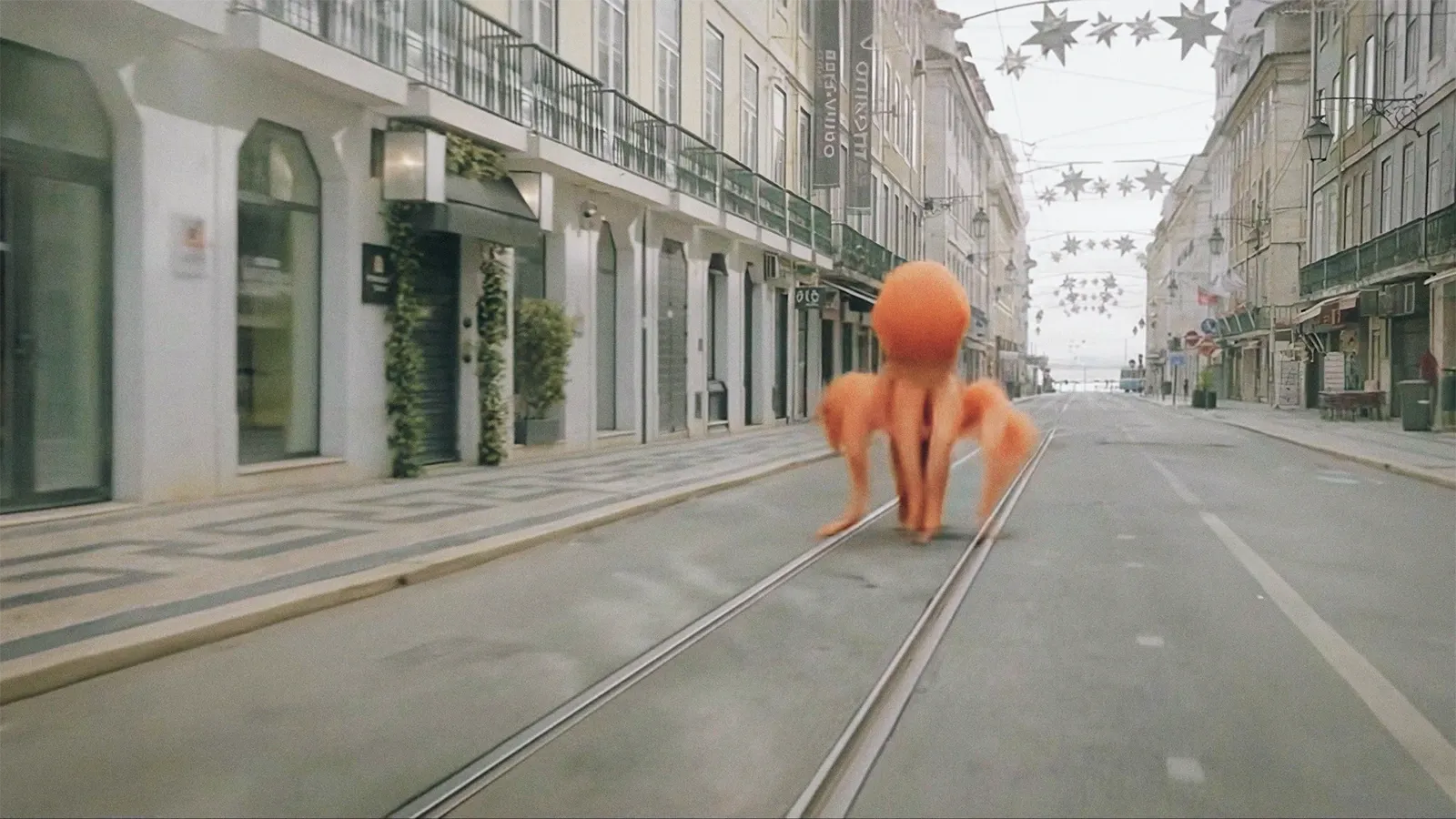 WETRANSACTThe Mystery of the Giant Octopus
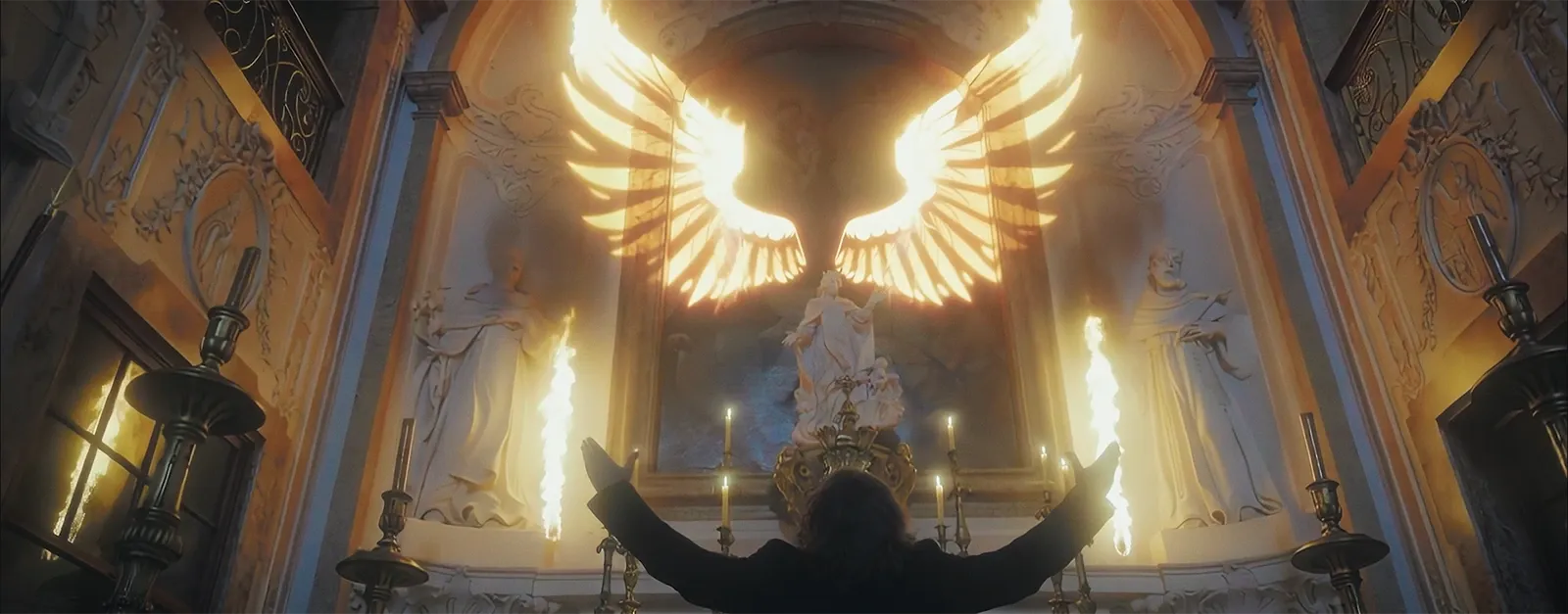 RAMMAO Inferno Arde em Mim
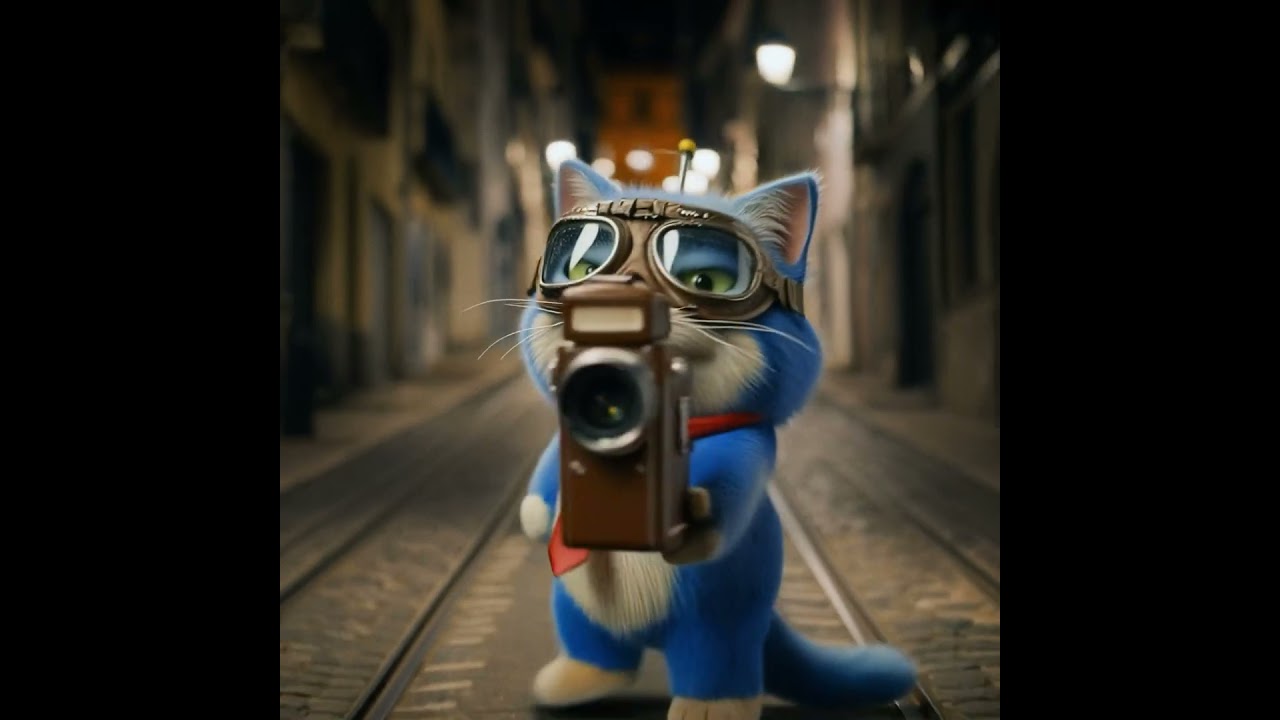 CREATIVE VISUALSIdeas that Talk and Walk
Have a story or production challenge in mind?
Discuss a projectFurther context: AI filmmaking and hybrid production on diogo-andrade.com.